Prof. Rufan Zhang’s team from the Department of Chemical Engineering at Tsinghua University has achieved significant progress in the next-generation building energy-saving technologies.
The team developed an integrated intelligent energy system that combined a dynamic photothermal-regulating smart window with a selective dynamic radiative-cooling modulator. This system enabled on-demand control of solar radiation and thermal emission in buildings and offered an innovative solution for future green and energy-efficient architecture.
Building energy consumption accounts for more than one-third of global energy use, with heating, ventilation, and air-conditioning systems as the major contributors. In the background of climate change and rising energy demand, traditional static energy-saving materials cannot meet the requirements of complex and dynamic environments. Focusing on both transparent and opaque components of building envelopes, Prof. Zhang’s team designed two intelligent control units. These units regulated solar radiation and thermal emission through electrically driven, coordinated, dynamic control.
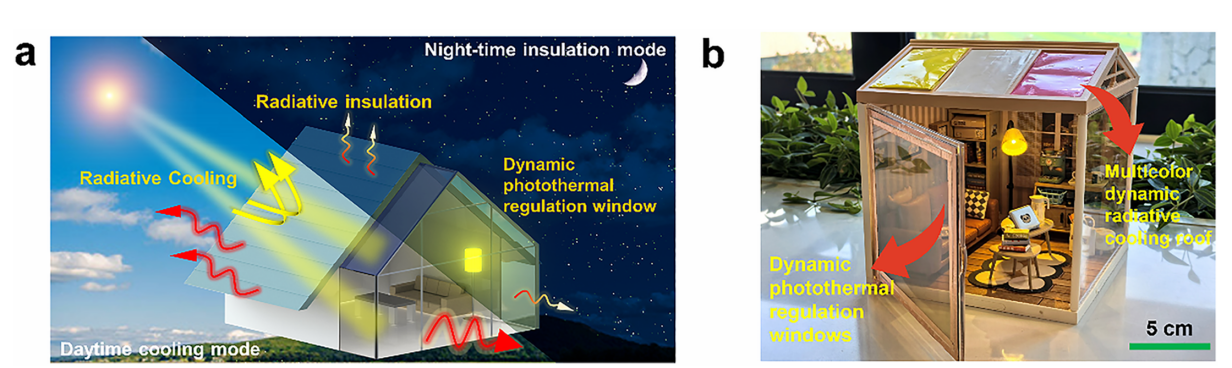
Figure 1. Concept and model of the integrated intelligent energy-saving building.
For transparent building elements such as windows, this team developed a dynamic photothermal-regulating smart window. The device adopted an all-thin-film electrochromic architecture and could switch rapidly among several operation modes under different voltages, i.e., bright-insulating, bright-cooling, and dark-cooling. The window offered a modulation range of up to 92% for visible light transmittance and 82% for near-infrared transmittance, enabling precise control of indoor lighting and solar heat gain.
A unique emissivity-switching design allowed the window to toggle between high emissivity (≈0.9, for radiative cooling) and low emissivity (≈0.28, for radiative insulation). Infrared thermography showed a temperature difference as large as 20 °C between these states. In outdoor summer tests in Beijing, the cooling mode of the smart window lowered indoor temperature by about 14 °C compared with a standard commercial window, demonstrating excellent cooling performance.
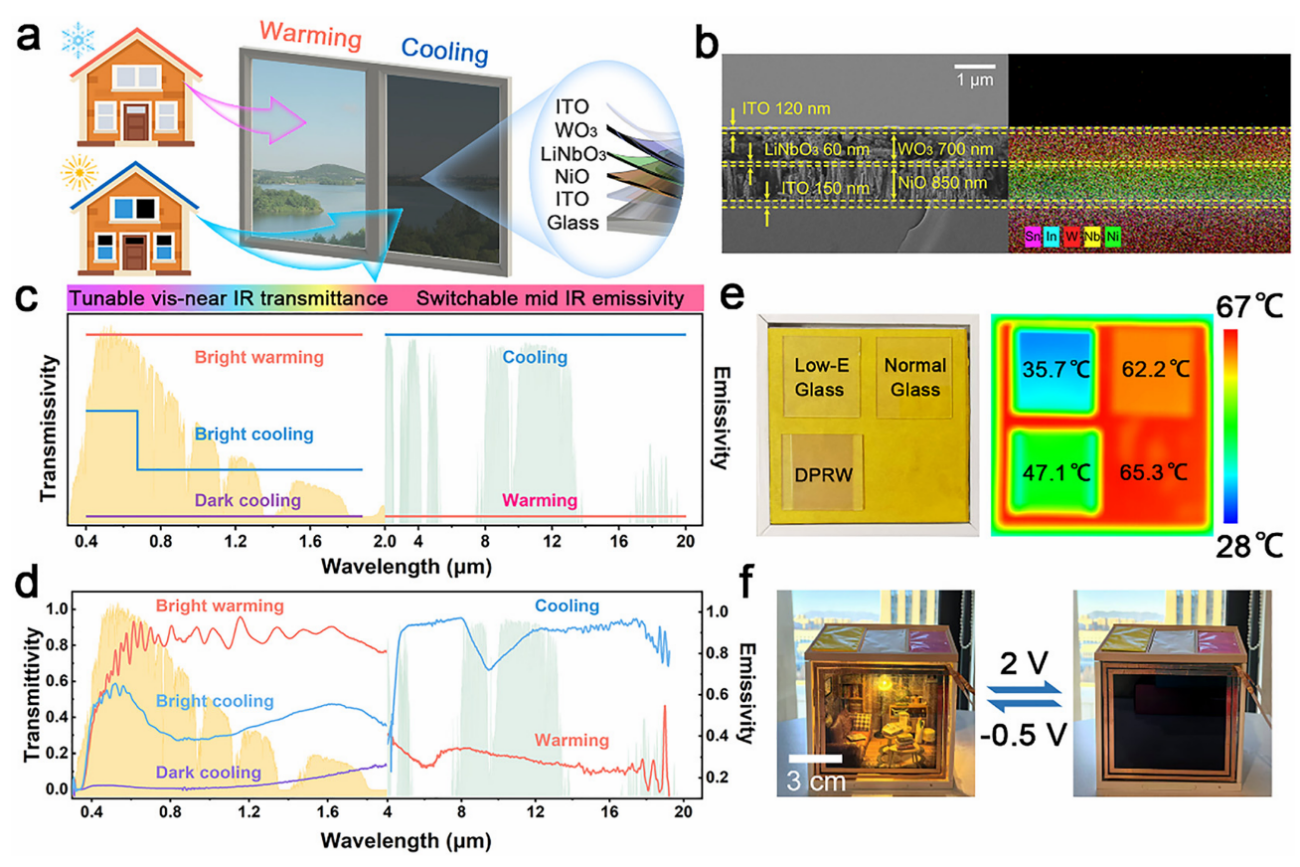
Figure 2. Spectral design, implementation, and performance of the dynamic photothermal-regulating window (DPRW).
For opaque building elements such as walls and roofs, the team created a multicolor selective dynamic radiative-cooling regulator. This device used nanocrystalline tungsten trioxide thin films prepared by magnetron sputtering, enabling highly selective emissivity tuning in two key mid-infrared atmospheric-window bands. By applying 0-4.5 V, the device could transition smoothly between cooling and insulating states.
A colored infrared-transparent polyethylene film was used as the top layer, allowing the device to display various color without compromising infrared dynamic regulation. This design integrated building aesthetics with energy-saving performance.
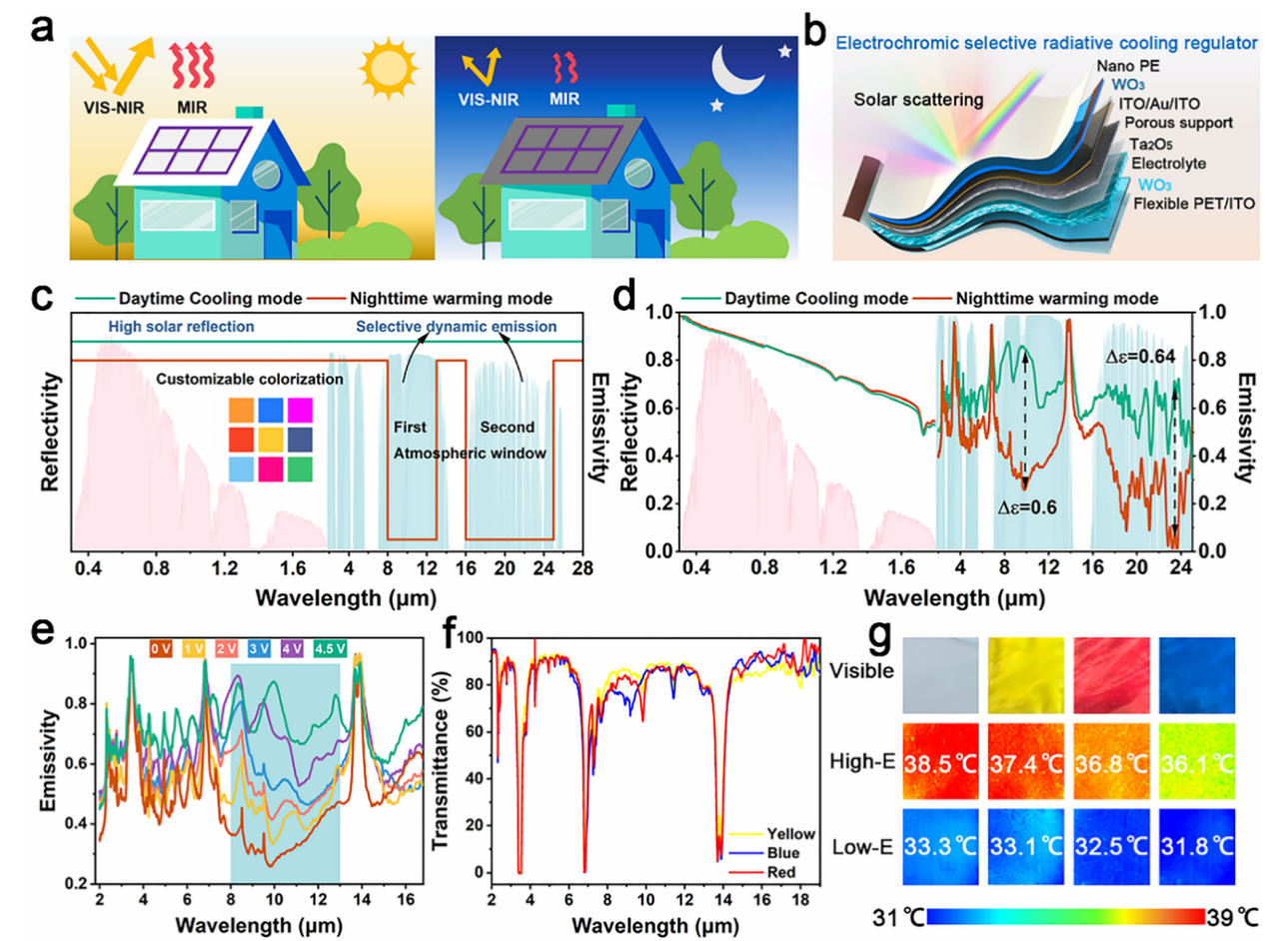
Figure 3. Multicolor selective dynamic radiative-cooling regulator (SDRCR).
To verify the system’s broad applicability, the team performed a series of outdoor experiments under different climate conditions. In Beijing during summer, the dynamic photothermal-regulating window achieved an 8-23 °C reduction in indoor temperature compared with commercial glazing. The multicolor dynamic radiative-cooling regulator provided a 2-4 °C lower temperature compared with commercial coatings. In the cold nights of Arxan, Inner Mongolia, the insulating mode of the smart window produced indoor temperatures 2-4 °C higher than those of its cooling mode. The white dynamic radiative-cooling regulator increased indoor temperature by approximately 3.7 °C compared with static white coatings. Across diverse climate zones worldwide, the system exhibited strong energy-saving potential. Simulation results indicated that it could deliver up to 99.5 MJ of annual energy savings per square meter.
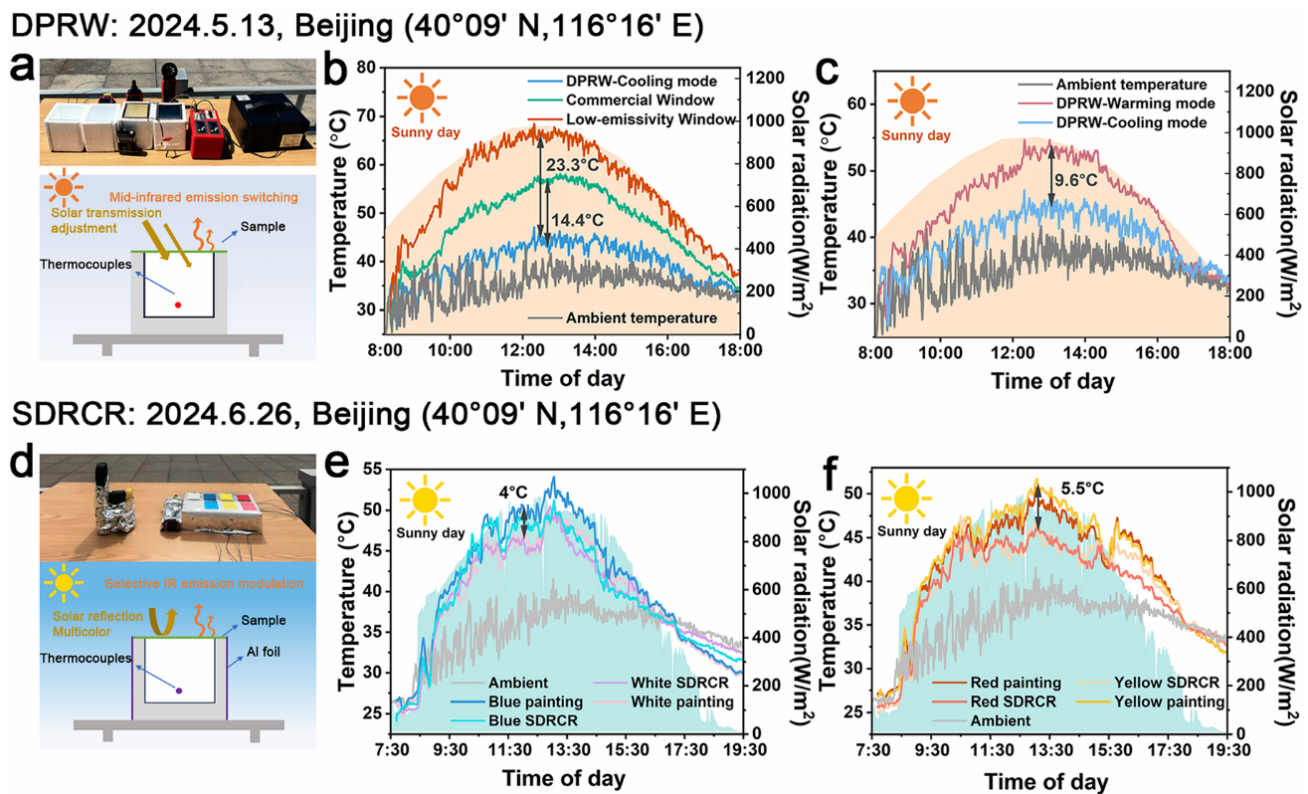
Figure 4. Outdoor temperature-regulation experiments for the DPRW and SDRCR (clear summer days, Beijing).
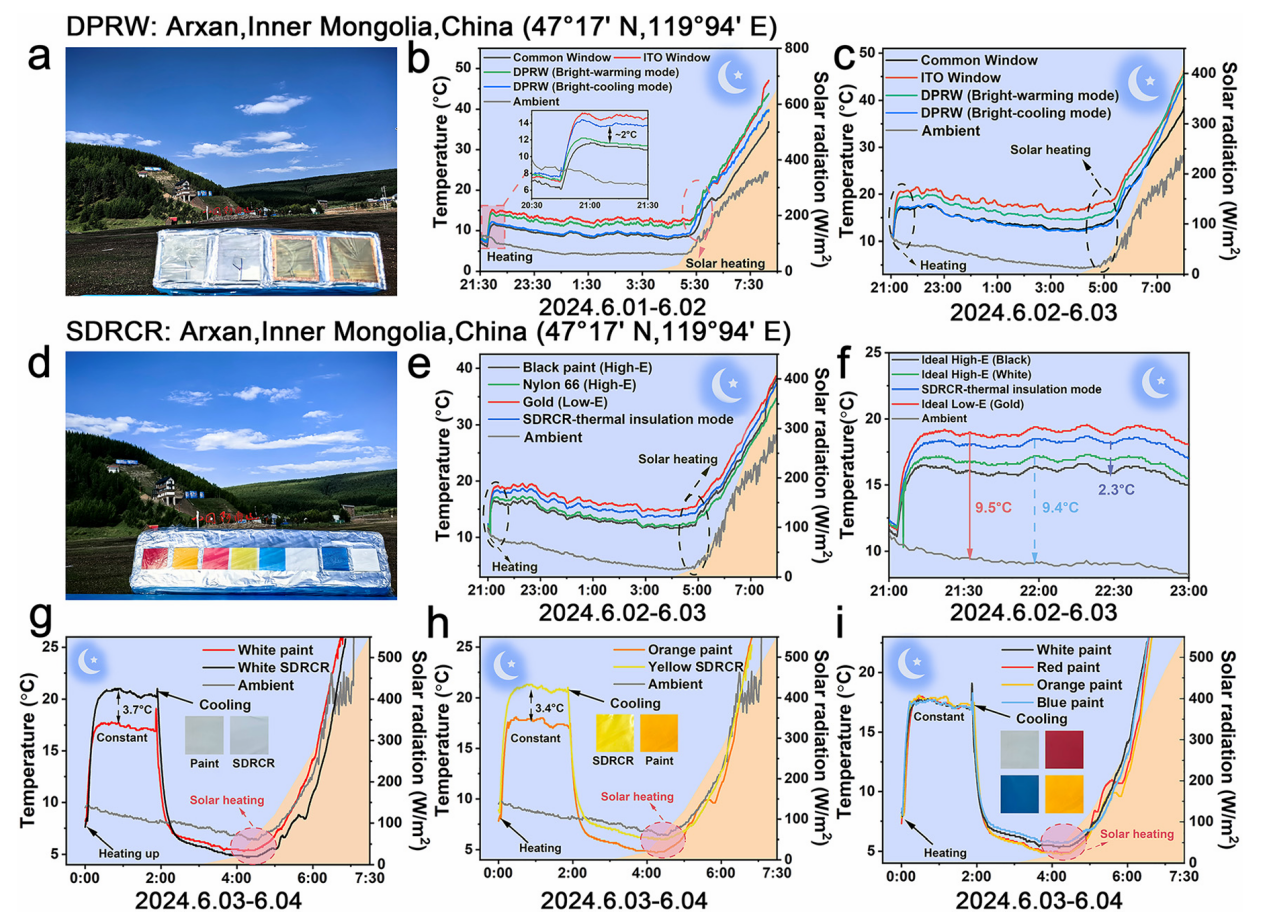
Figure 5. Outdoor insulation performance tests for the DPRW and SDRCR (clear nights, Arxan).
This research titled “Intelligent Electrochromic Photothermal Regulation for Integrated Building Energy Saving” was published as a research article in Energy & Environmental Science, a leading journal in the fields of energy and environmental science. Dr. Yilin Ding, a postdoctoral researcher in the Department of Chemical Engineering at Tsinghua University, is the first author. Associate Professor Rufan Zhang is the corresponding author.
Collaborators include postdoctoral researchers Xueke Wu and Di Gao; doctoral student Run Li (Class of 2020); Prof. Xungang Diao and doctoral student Zheyue Mei (Class of 2021) from Beihang University; visiting student Wenjing Zhang from the University of Jinan; visiting student Yaqi Zhang from Nanjing University of Information Science and Technology; and visiting student Fan Lan from China University of Petroleum (Beijing).
This work is supported by the CNPC Science and Technology Innovation Fund Research Project (2024DQ02-0409), the Red Avenue Youth R&D Fund of China Petroleum and Chemical Industry Federation (CPCIF), the National Key Research and Development Program (grant no. 2020YFC2201103 and 2020YFA0210702), the National Natural Science Foundation of China (grant no. 22075163), and the China Postdoctoral Science Foundation (2024M751650).
Paper link: https://pubs.rsc.org/en/Content/ArticleLanding/2025/EE/D5EE02750K